How to Get Your Business on Local TV
Want to get your business on local television? You don't need to be a national brand or have a massive advertising budget to get your commercial on TV. Businesses of all sizes can advertise on local broadcast television by selecting the markets, stations and advertising schedules that best fit their goals.

Local TV advertising gives businesses an opportunity to reach viewers in specific cities and surrounding communities through familiar television networks such as ABC, CBS, NBC and FOX.
Whether you're promoting a local business, growing brand awareness, launching a new product or attracting customers to multiple locations, local television advertising can help get your message in front of potential customers.
In this guide, we'll explain how to get your business on local TV, how the process works, what you need to get started and how to find the right advertising opportunities.
Ready to explore local TV advertising for your business? PRIMEDIA Network can help you identify opportunities and request a FREE, no-obligation media proposal.
Can My Business Advertise on Local TV?
Yes! Many types of businesses can advertise on local broadcast television.
You don't need to operate in every city or have a nationally recognized brand. Local television advertising allows you to focus on the geographic markets where your customers live, work and shop.
Businesses that may benefit from local TV advertising include:
- Restaurants, bars and entertainment venues
- Automotive dealerships and repair businesses
- Home improvement and remodeling companies
- Healthcare providers and medical practices
- Retail stores and local franchises
- Real estate agencies and home builders
- Financial and professional service companies
- Educational institutions and nonprofit organizations
If your business wants to reach potential customers in a particular city or metropolitan area, local TV advertising may be worth exploring.

Ready to Explore Local TV Advertising

How Does Local TV Advertising Work?
Local broadcast television advertising works by purchasing commercial airtime on television stations serving specific geographic markets.
These stations may include local affiliates of major broadcast networks such as:




- And other local broadcast stations.
Your commercial is scheduled to air during selected programming and time periods based on your campaign plan and available advertising inventory.
For example, a business targeting customers in Chicago might advertise on selected local television stations serving the Chicago market. A business operating in several cities could develop a campaign covering multiple markets.
The goal is to put your commercial in front of the audiences most relevant to your business.
How to Get Your Business on Local TV in 5 Steps
Getting your business on television may be easier than you think. Here are five steps to help you get started.
Decide Where You Want to Advertise
Start by identifying the cities, communities or metropolitan areas where you want to reach potential customers.
Consider:
- Where your current customers live
- Where you want to attract new customers
- The locations of your stores or service areas
- Whether you want to advertise in one market or several
You don't necessarily need to advertise everywhere. Focusing on the markets most important to your business can help make your campaign more efficient.
Choose the Right Television Stations
Once you've identified your target markets, the next step is determining which local television stations may be appropriate for your campaign.
Local broadcast stations offer different programming, audiences and advertising opportunities. Your media plan may consider:
- Major network affiliates such as ABC, CBS, NBC and FOX
- Local news programming
- Sports and entertainment programming
- Morning, daytime and evening time periods
- Available commercial placements
The best station selection depends on your target audience, advertising objectives and budget.
Establish Your Advertising Budget
Your budget helps determine which advertising opportunities and schedules are realistic for your business.
Local TV advertising costs vary depending on the market, stations, programming, frequency and campaign duration. You can begin with a focused campaign in one market and explore additional markets as your advertising needs grow.
Not sure what you should spend? A customized media proposal can help you understand the available options and associated costs before making a decision.
Create Your TV Commercial
Before your campaign can air, you'll need a commercial. If you already have a professionally produced commercial, it may be possible to prepare it for broadcast, depending on its technical specifications and the station's requirements.
If you don't have a commercial, you can explore production services. A TV commercial may include:
- A compelling introduction that captures attention
- A clear explanation of your product or service
- Professional video footage and visuals
- Voiceover, music and on-screen messaging
- Your business name, website and phone number
- A clear call to action
Your commercial should communicate what makes your business valuable and give viewers a reason to take the next step.
PRIMEDIA Network offers TV commercial production services to help businesses develop advertising creative.
Schedule Your Commercial and Launch Your Campaign
Once your advertising plan and commercial are ready, the next step is scheduling your placements. Your media provider coordinates the approved advertising schedule with the participating stations.
Depending on your campaign, you may choose to advertise during selected programs, time periods and days of the week. After your campaign launches, appropriate tracking and reporting methods can help evaluate its activity and performance.
That's it! Your business is now advertising on local television.
What Does It Cost to Advertise on Local TV?
The cost of local TV advertising depends on several factors, including the size of the market, television stations, programming, commercial frequency and campaign duration. There isn't one standard price for every city or television station.
Some of the factors that influence pricing include:
- Geographic Market: Larger metropolitan markets and smaller local markets can have different advertising rates.
- Station Selection: Different stations and programming opportunities have different pricing and availability.
- Time Period: Commercial rates may vary depending on when your advertisement airs.
- Commercial Frequency: The number of times your commercial runs affects your total media investment.
- Campaign Duration: Your overall budget will depend on how long you want your campaign to run.
The best way to understand the actual cost is to request a customized media proposal based on your target market and advertising goals.
For a more detailed breakdown, read our guide: How Much Does It Cost to Advertise on TV?
Local TV vs. Cable TV vs. Streaming TV: What's the Difference?
Local broadcast television isn't the only way to reach television viewers. Businesses can also explore cable TV and streaming TV advertising, depending on their audiences, geographic coverage and campaign objectives.

Local Broadcast TV
Local broadcast TV advertising places your commercial on participating local television stations and network affiliates.
- Reaches audiences in specific broadcast markets
- Provides opportunities to advertise alongside familiar local and national programming
- Can help businesses build broad awareness in selected geographic areas

Cable TV
Cable advertising allows businesses to advertise across selected cable networks and programming categories.
- Opportunities across participating cable networks
- Campaigns can be planned around selected markets
- Programming choices may help align advertising with audience interests

Streaming TV
Streaming TV advertising reaches viewers watching content through connected televisions and streaming devices.
- Internet-connected television and streaming audiences
- Geographic and audience-based targeting options
- Campaigns can be planned around available targeting capabilities

Which should you choose?
How to Choose the Right Local TV Advertising Markets
Choosing the right markets is one of the most important decisions in a local television campaign. A business that serves customers in Chicago may not need to advertise throughout the entire state of Illinois. Likewise, a company with locations in several cities may want to consider a multi-market campaign.
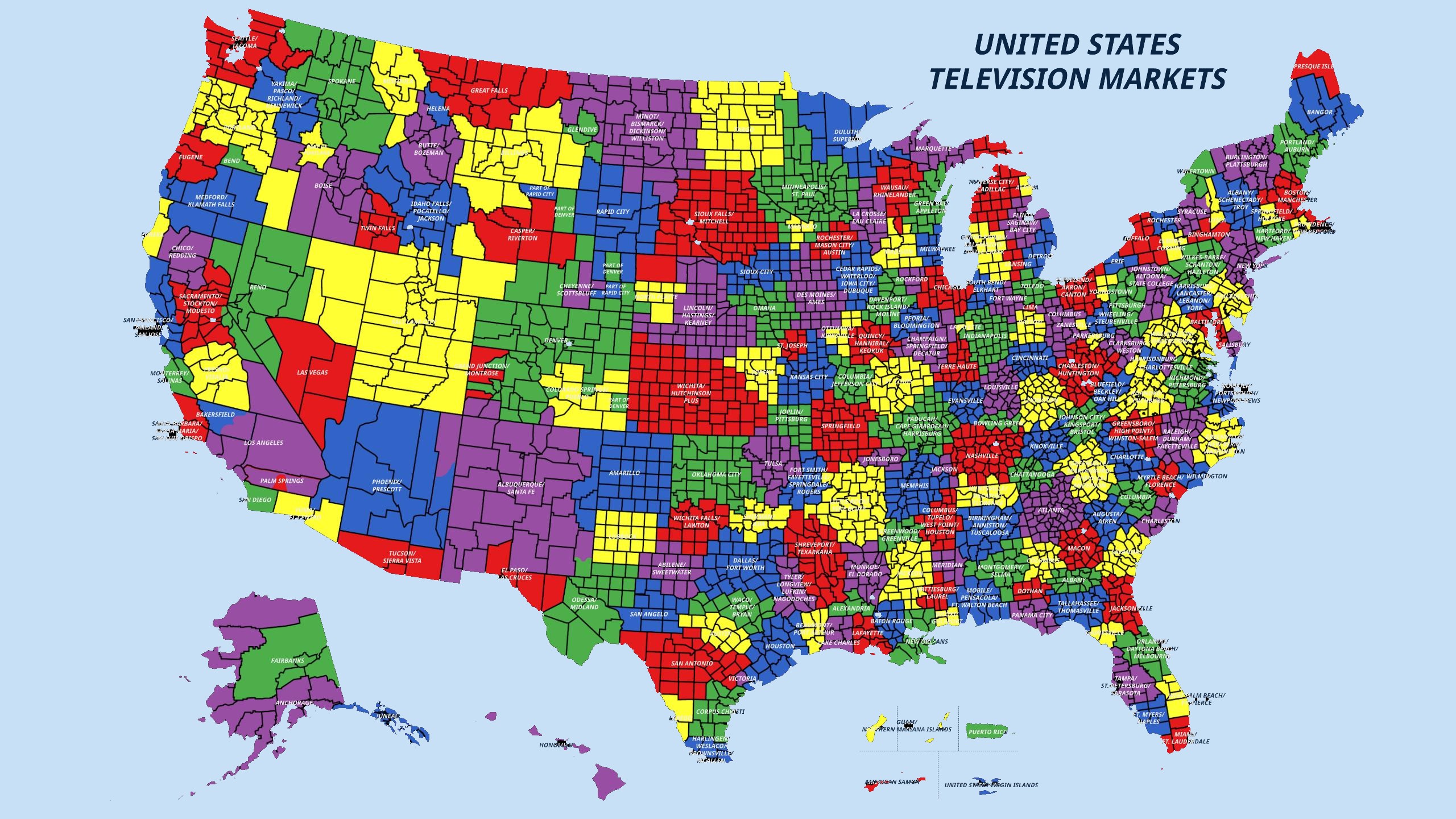
Here are a few things to consider when selecting your markets:
Your Customer Base
Where are your existing customers located? Start with the communities and geographic areas that already generate business.
Your Service Area
If your company provides services within a defined radius, consider the markets that cover those communities.
Your Growth Opportunities
Are you trying to attract customers in new cities or expand into additional markets? Your advertising plan can account for those opportunities.
Your Available Budget
The number of markets you select should align with your available budget and campaign objectives.
PRIMEDIA Network provides access to more than 1,400 local broadcast TV stations in nearly 200 markets, making it possible to explore advertising opportunities across a wide range of locations.
Do I Need to Make My Own TV Commercial?
No. You don't necessarily need to produce your own commercial before exploring TV advertising. If you already have a commercial, your media provider can help determine whether it meets the technical and creative requirements for broadcast.

If you need a new commercial, professional production services can help you develop the creative needed for your campaign. Depending on your project, production may include:
- Concept development
- Scriptwriting
- Voiceover
- Stock footage and visual assets
- Video editing
- Music and graphics
- Final commercial formatting
PRIMEDIA Network offers commercial production services to help businesses get their message ready for television.
Why Choose PRIMEDIA Network for Local TV Advertising?
Getting your business on local television involves more than finding a station and purchasing commercial airtime. You need a media plan, the right advertising opportunities, a commercial and a coordinated campaign.
PRIMEDIA Network helps simplify that process. Since 1990, PRIMEDIA Network has helped businesses explore television and other media buying and advertising opportunities.
Access to Local TV Stations Nationwide
Explore advertising opportunities across 1,400+ local broadcast TV stations in nearly 200 markets.
Customized Media Planning
Identify the geographic markets, stations and advertising opportunities that align with your business and goals.
Media Buying and Placement
Get assistance coordinating advertising placements and schedules with participating television stations.
TV Commercial Production
Get help developing or preparing the commercial creative needed for your campaign.
Multiple Advertising Options
In addition to local broadcast, explore cable and streaming TV advertising opportunities.
One Point of Contact
Work with one team to help plan, coordinate and support your advertising campaign.
Frequently Asked Questions
How do I get my business on local TV?
Start by identifying the geographic markets where you want to advertise, establishing a budget, choosing appropriate television stations and preparing a commercial. A media provider can help coordinate the advertising plan, commercial placement and scheduling.
Can a small business advertise on local TV?
Yes. Local broadcast advertising can be an option for businesses of different sizes. You can explore selected geographic markets and advertising schedules rather than purchasing nationwide television coverage.
How much does it cost to get a commercial on local TV?
Costs vary depending on the market, station, programming, time period, commercial frequency and campaign duration. Requesting a customized media proposal is the best way to get accurate pricing.
Do I need my own TV commercial?
Not necessarily. If you already have a commercial, it may be possible to use it after confirming it meets the station's requirements. If you need one, you can explore professional commercial production services.
Can I advertise on ABC, CBS, NBC or FOX?
Businesses can explore advertising opportunities on participating local affiliates of major broadcast networks, including ABC, CBS, NBC and FOX. Availability and placement depend on the market, station and advertising inventory.
Can I advertise on local TV in multiple cities?
Yes. Local TV campaigns can be planned around multiple geographic markets. This can be useful for businesses with several locations or companies that serve customers across different cities and states.
How long does it take to get a commercial on TV?
The timeline depends on the campaign, commercial production requirements, media availability, station scheduling and any required approvals. If you already have an approved commercial, the process may be different than if you need a new commercial produced.
What is the difference between local TV and national TV advertising?
Local TV advertising focuses on selected geographic markets, while national TV advertising is designed to reach audiences across a much broader geographic area. Local campaigns can be a practical option for businesses that serve specific communities or regions.
Can PRIMEDIA Network help produce my TV commercial?
Yes. PRIMEDIA Network offers commercial production services to help businesses develop or prepare TV advertising creative. The services required depend on your project and campaign.
How do I get a FREE TV advertising proposal?
Contact PRIMEDIA Network and provide your business information, target markets, advertising goals and approximate budget. The team can explore available advertising opportunities and prepare a customized media proposal.